Bryant McNeil
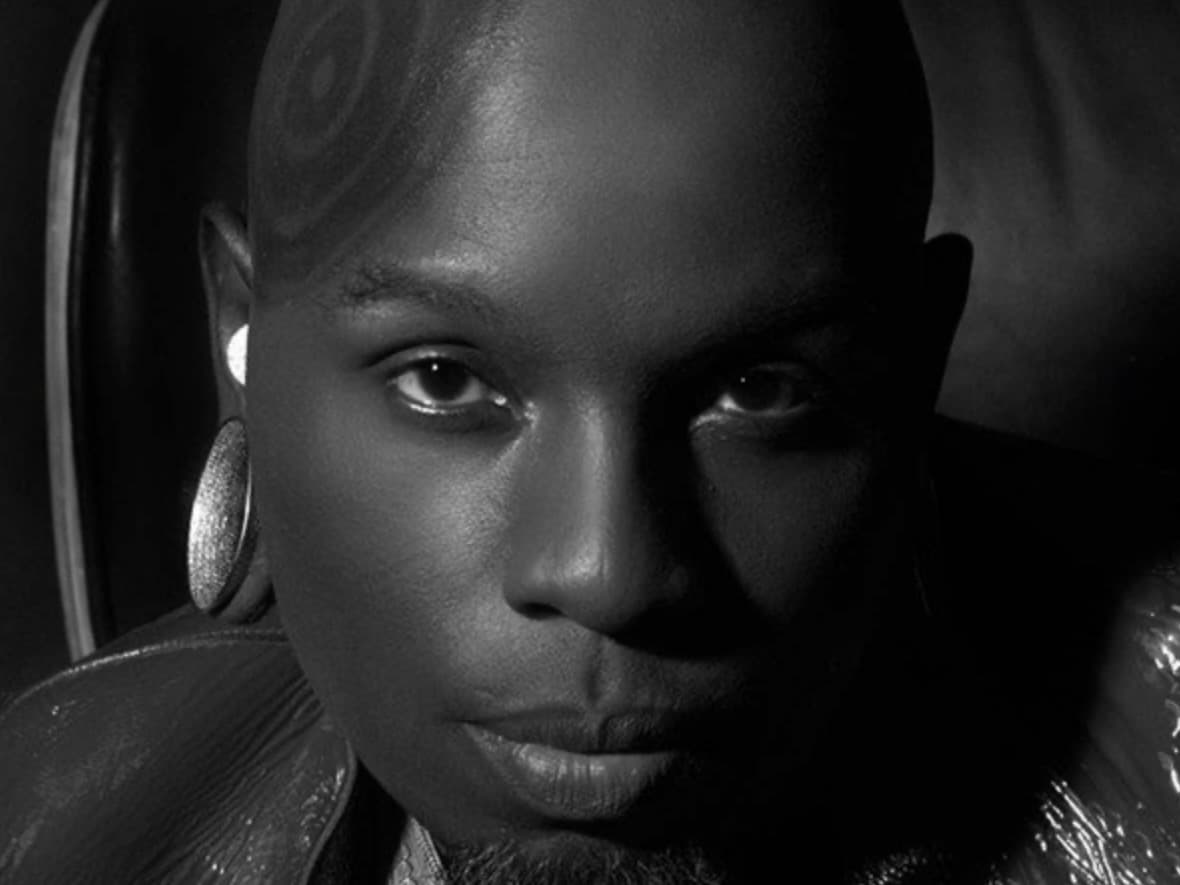
I make Sonic Artifacts — wearable, hand-painted one-of-one pieces that carry the structure of a specific sound. The studio is small. The practice is mine, and it cuts across two older lines of work: a long stretch as a musician, and an even longer one as a painter. This page is the short version of how those two led to the work I do now.
First, the sound.
I played music for the longest stretch of my adult life — long enough that listening stopped being something I did with my ears and became a way of reading the world. Tempo, harmonic weight, the shape of a decay — those became the grammar I think in.
When I started making work that wasn't music, I wasn't trying to escape it. I was trying to keep listening while doing something else. The ear stayed open. The hands just picked up a different tool.
Then, the surface.
Hand-painting taught me to score, then keep the score on the body — how a mark holds its shape across a panel, how a colour moves with light, what a surface actually does when someone walks around in it.
I paint on panels and I paint on garments. Both are the same problem: where the composition sits, and how it behaves on a thing the world moves through. The garment just moves faster, and wears the score louder.
Sonic Artifacts
Sonic Artifacts is what I call the work. It starts with a frequency — a song on repeat, a captured moment, a single sustained note — and ends as a hand-painted, wearable object. The sound is the blueprint. The wearable is the artifact.
I score the audio the way I'd score a part: tempo into where the seams sit, harmonics into how the panels drape, volume into how the surface holds light. Then I paint it by hand, on the cut cloth, before it's sewn together. The translation is physical, and it's one-of-one.
These are not prints. They are not graphics of a waveform. They are the wearer's sound, rebuilt by hand into something a body can carry. Bryant McNeil finishes them. They are released back into the world to be worn.
Small on purpose.
Each Sonic Artifact is cut, painted, and sewn by Bryant McNeil, in a small in-house studio. That's the working reality, not a brand line — which is why there's always room to adjust mid-build if the fit or the surface needs to change.
The studio is small and the work is one-of-one. To ask about an existing piece, write to Bryant McNeil directly. Email is one-to-one; replies come within two days.